

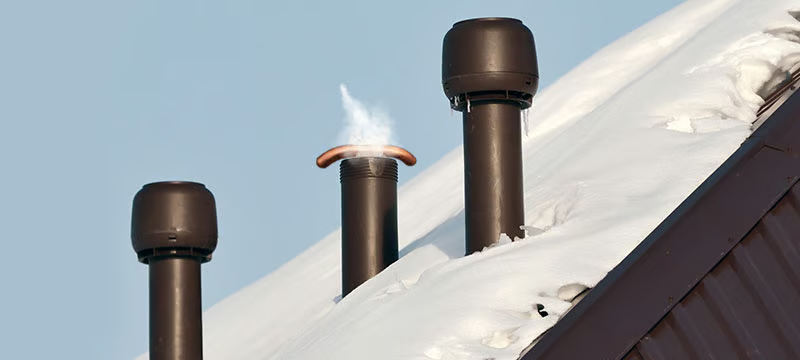
Winnipeg winters are unforgiving with prolonged extreme cold, heavy snow, and repeated freeze. Thaw cycles can expose weaknesses in a home’s roofing, attic, and ventilation systems. One often-overlooked issue we see every winter is plumbing vent stacks freezing over, leading to plumbing backups, sewer gas smells, and even interior moisture damage.
If you’ve noticed slow drains, gurgling plumbing, or sewer odours during cold weather, a frozen plumbing vent stack may be the real issue.
What Is a Plumbing Vent Stack?
A plumbing vent stack is the vertical pipe that exits through your roof and connects to your home’s plumbing system. Its purpose is to:
- Release sewer gases safely outside
- Equalize air pressure within the plumbing system
- Allow wastewater to flow freely
When a vent stack freezes or becomes blocked, plumbing systems cannot operate properly.
Why Plumbing Vent Stacks Freeze in Winnipeg
Frozen vent stacks are especially common in cold climates like Winnipeg due to several compounding factors.
- Extreme Cold and Moisture
Warm, moist air from inside the home rises through the plumbing vent. When it reaches the cold section of pipe above the roofline, condensation forms and freezes. Over time, ice builds up inside the pipe and restricts airflow.
- Uninsulated Plumbing Vent Pipes in the Attic
One of the most common issues we find is vent pipes left uninsulated in the attic. In winter, these pipes are surrounded by freezing attic air, causing moisture inside the pipe to freeze before it ever reaches the roof.
This is especially common in older Winnipeg homes or homes where attic insulation was added but vent pipes were overlooked.
- Undersized Vent Stacks
Smaller-diameter vent stacks freeze faster. Many older homes do not meet modern plumbing standards, making them more vulnerable during extreme cold snaps.
- Poor Attic Insulation and Ventilation
Inadequate insulation allows warm air to escape into the attic, while poor ventilation traps moisture. This combination increases frost buildup, condensation, and ice formation around roof penetrations, including vent stacks.
Warning Signs of a Frozen Plumbing Vent Stack
Frozen vent stacks are often mistaken for plumbing failures. Common symptoms include:
- Slow-draining sinks, tubs, or showers
- Gurgling or bubbling sounds from drains
- Sewer gas smells inside the home
- Toilets that flush poorly or inconsistently
- Plumbing issues that only occur during extreme cold weather
If these issues improve when temperatures rise, freezing is likely the cause.
Why Frozen Vent Stacks Shouldn’t Be Ignored
A blocked vent stack can create serious problems inside the home, including:
- Pressure imbalances in plumbing lines
- Water being siphoned out of drain traps
- Sewer gases entering living spaces
- Increased risk of drain backups
- Excess attic moisture, frost, and attic rain
In Winnipeg’s climate, these problems can escalate quickly if left unaddressed.
Proven Solutions to Stop Plumbing Vent Stacks From Freezing
The key is addressing the entire roof, attic, and venting system, not just the pipe above the roof.
- Insulating the Plumbing Vent Pipe in the Attic
Insulating the vent pipe where it runs through the attic helps keep warm air moving upward and prevents moisture from freezing inside the pipe before it exits the roof.
This is one of the most effective and affordable solutions, yet it’s often missed.
- Increasing the Vent Stack Size Above the Roofline
Upgrading to a larger-diameter pipe above the roof allows moisture to escape more easily and significantly reduces freezing risk.
- Improving Attic Insulation
Proper attic insulation reduces heat loss, limits condensation, and keeps attic temperatures more stable, protecting all roof penetrations, including vent stacks.
- Correcting Attic Ventilation
Balanced intake and exhaust ventilation removes excess moisture from the attic before it can freeze, improving overall roof performance and preventing multiple winter-related issues.
- Ensuring Proper Vent Stack Flashing
Correctly installed flashing prevents cold air infiltration and water leaks while maintaining a tight seal around the vent penetration.
This Is a Roofing and Attic Issue Not Just a Plumbing One
While vent stacks are part of the plumbing system, freezing problems almost always originate in the attic and roof assembly. Without addressing insulation, ventilation, and air leakage, frozen vent stacks will continue to be a recurring winter problem.
At Pristine Roofing & Siding, we routinely see frozen vent stacks tied to:
- Uninsulated attic vent pipes
- Insufficient attic insulation
- Poor ventilation design
- Improper roof penetrations
Solving the root cause is the only way to achieve a long-term fix.
Frequently Asked Questions: Plumbing Vent Stacks in Winnipeg
Can a frozen vent stack cause sewer smells in my house?
Yes. When a vent stack is blocked, plumbing traps can lose water, allowing sewer gases to enter the home.
Is insulating the plumbing vent pipe in the attic really necessary?
Absolutely. In Winnipeg’s climate, uninsulated vent pipes in the attic are a major cause of freezing and should always be insulated properly.
Can I just pour hot water down the vent pipe?
This may temporarily clear ice, but it does not address the root cause. Without insulation or ventilation improvements, the pipe will likely freeze again.
How do I know if my vent stack is undersized?
Older homes often have smaller vent pipes. A professional inspection can determine whether your system meets current standards.
Is this something a roofer can fix, or do I need a plumber?
Both may be involved, but the freezing issue itself is usually related to attic insulation, ventilation, and roof penetrations. These are areas best assessed by an experienced roofing and attic professional.
Will fixing my attic help prevent other winter issues?
Yes. Proper insulation and ventilation help prevent ice damming, attic frost, condensation, attic rain, and premature roof wear.